
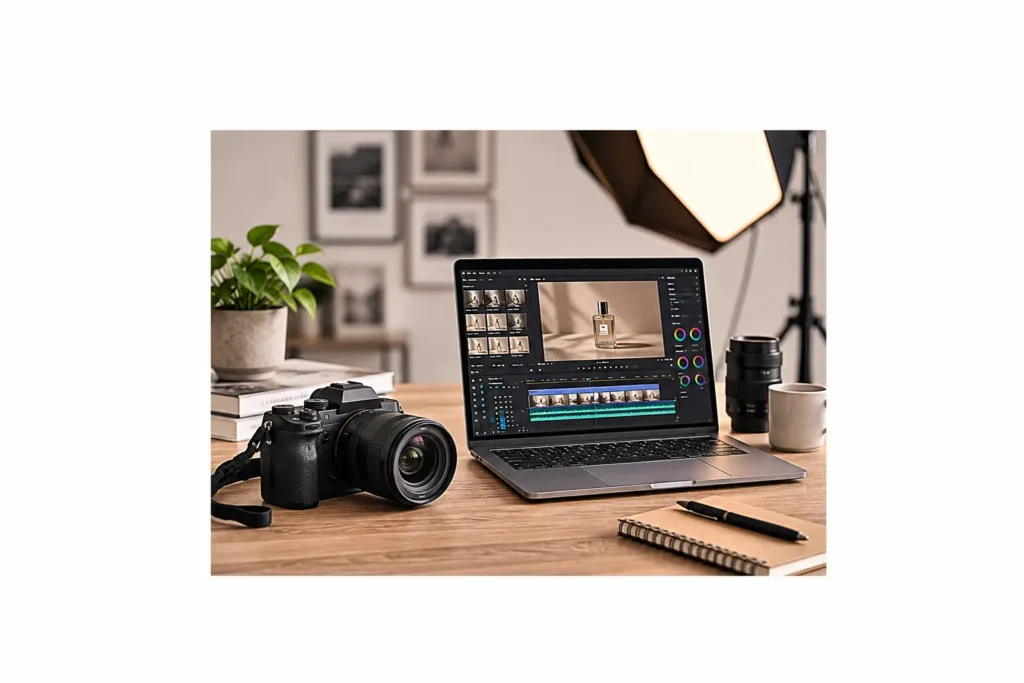
The Best Camera for Photography Is the One That Matches Your Output Pipeline, Not Your Spec Sheet
Most founders building a photography-driven brand waste their gear budget chasing megapixels when the best camera for photography is whichever body fits the actual output pipeline shipping content every week.
The ROI Math Behind Gear Decisions
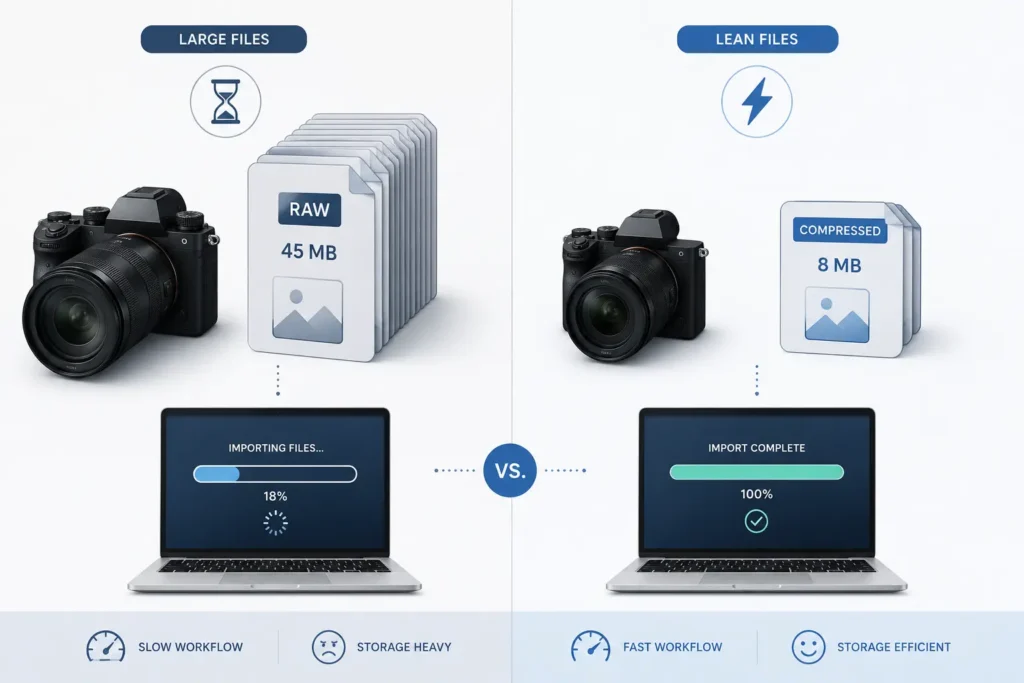
Technical founders model infrastructure spend against throughput, and camera gear deserves the same discipline. A founder chasing the best camera for photography based on spec sheets alone often ends up with a body that produces files too large for the team’s editing pipeline, slowing turnaround instead of speeding it up. A 60-megapixel file looks impressive in a product demo, but it triples storage cost, slows every edit pass, and adds render time across a content team producing daily assets.
Peak Design built its entire product photography pipeline around mid-range mirrorless bodies precisely because the file size and processing speed matched their turnaround requirements, not because those bodies topped a spec comparison chart. Run the numbers on cost per finished asset, camera cost plus storage plus editing hours, across a full production cycle, and a camera that matches your existing pipeline wins over a higher-spec body that doesn’t, because the bottleneck in most content operations is editing throughput, not sensor resolution.
Speed Comes From Autofocus and File Workflow, Not Sensor Size
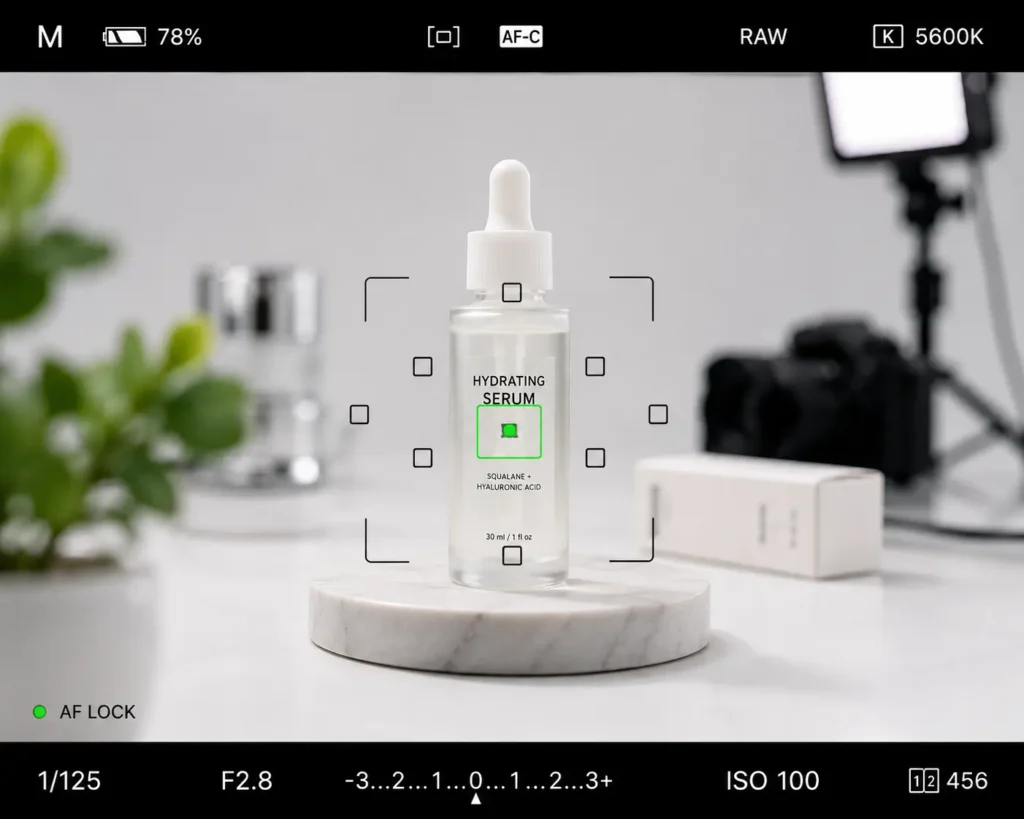
Founders default to solving speed with the biggest sensor and highest resolution on the market, assuming the best camera for photography is whichever wins the raw image quality comparison. For a team shipping content on a weekly cadence, the actual speed lever is autofocus reliability and file format compatibility with the existing editing stack, because a missed focus point or an incompatible raw format costs more time than a marginal resolution gain ever saves.
Away built its early product photography operation on cameras chosen specifically for fast, reliable autofocus and direct compatibility with their existing Lightroom workflow, which let a small internal team ship consistent product shots without reshoots eating into the schedule. Founders should audit autofocus hit-rate and file compatibility before comparing resolution specs. A camera that nails focus on the first take and drops straight into the existing editing pipeline delivers a faster path to a finished asset than a higher-resolution body that requires new software or extra correction passes.
Real Production Examples Beat Spec Comparisons
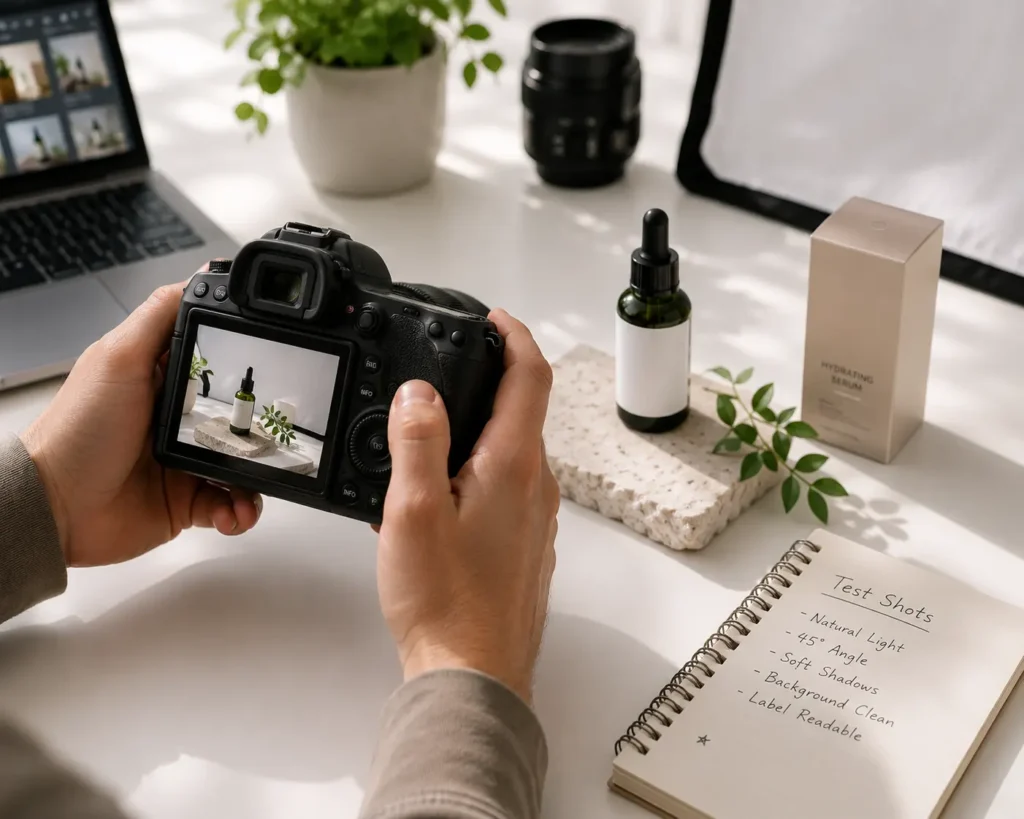
A spec sheet comparing megapixels, ISO range, and autofocus points tells a founder almost nothing about how a camera performs inside an actual production schedule. What matters is a real case: which camera a working photography team used to ship a specific campaign, under what lighting conditions, and how many usable frames came out of a single session.
Glossier’s early product photography ran on a small set of camera bodies chosen after direct trial shoots against the brand’s actual lighting setup and packaging, not a comparison chart pulled from a review site. That approach surfaced practical issues, color rendering under specific studio lights, close-focus performance on small packaging, that no spec sheet would have flagged. Founders evaluating the best camera for photography should run a real trial shoot against actual product samples and lighting conditions before committing budget, because a camera that wins on paper can still underperform on the exact assets a brand needs to ship.
EEAT Turns Gear Recommendations Into a Trust Asset
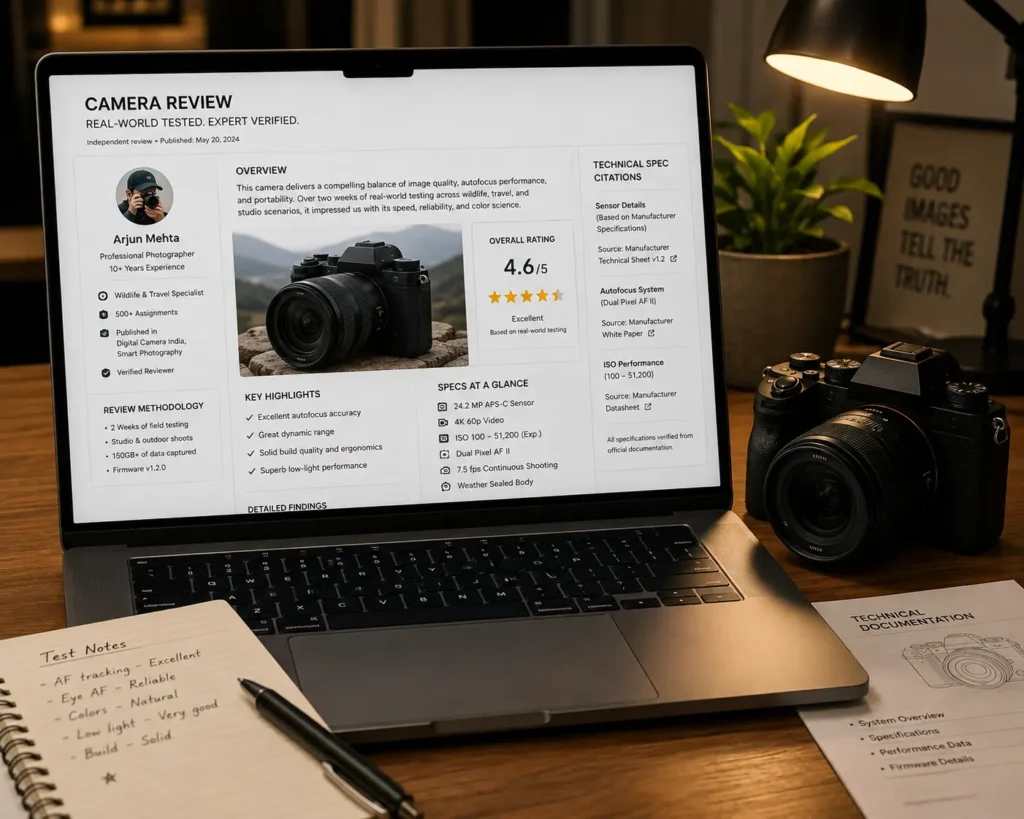
Google’s Experience, Expertise, Authoritativeness, and Trust framework rewards content built on verifiable hands-on use, and camera recommendations are a category flooded with affiliate content written without real testing. A generic “top 10 cameras” list with no disclosed testing methodology reads as unverifiable to both search algorithms and skeptical buyers who can spot recycled spec-sheet copy. Founders publishing content about the best camera for photography build a stronger trust asset by disclosing exactly how each camera was tested and by whom.
Have an actual working photographer test each camera under the specific conditions relevant to your audience, and credit that photographer by name and portfolio the way a technical review credits its named tester. Link every performance claim, autofocus speed, low-light performance, dynamic range, to the specific test conditions under which it was measured rather than a manufacturer’s marketing spec. DPReview built its authority in this space by publishing detailed, named-tester reviews with disclosed methodology, and that specificity is what separated its rankings from templated spec-comparison sites.
Founders who skip this step don’t just risk thinner search rankings. They lose the credibility that turns a camera recommendation into an actual purchase decision, and without that trust, readers default to a manufacturer’s own marketing copy instead of a founder’s guidance.
The best camera for photography is decided by pipeline fit and real production results, not a spec sheet comparison. Test against your actual workflow first, and the gear decision makes itself.
Written by talashbyrekha.com
Resources
1.DPReview – Camera Reviews & Specificationshttps://2.img-dpreview.com/products/cameras?utm_source=chatgpt.com
2.TechRadar – Camera Reviews & Testinghttps://www.techradar.com/cameras/the-best-camera-for-photography?utm_source=chatgpt.com