

Interior Home Decor Ideas Win on Capsule Systems, Not One-Off Trend Pieces
Most home decor brands blow their Series A budget on trend pieces when the interior home decor ideas that actually retain customers are the ones built as reusable systems, not single objects.
The Inventory Math Behind Systemized Decor
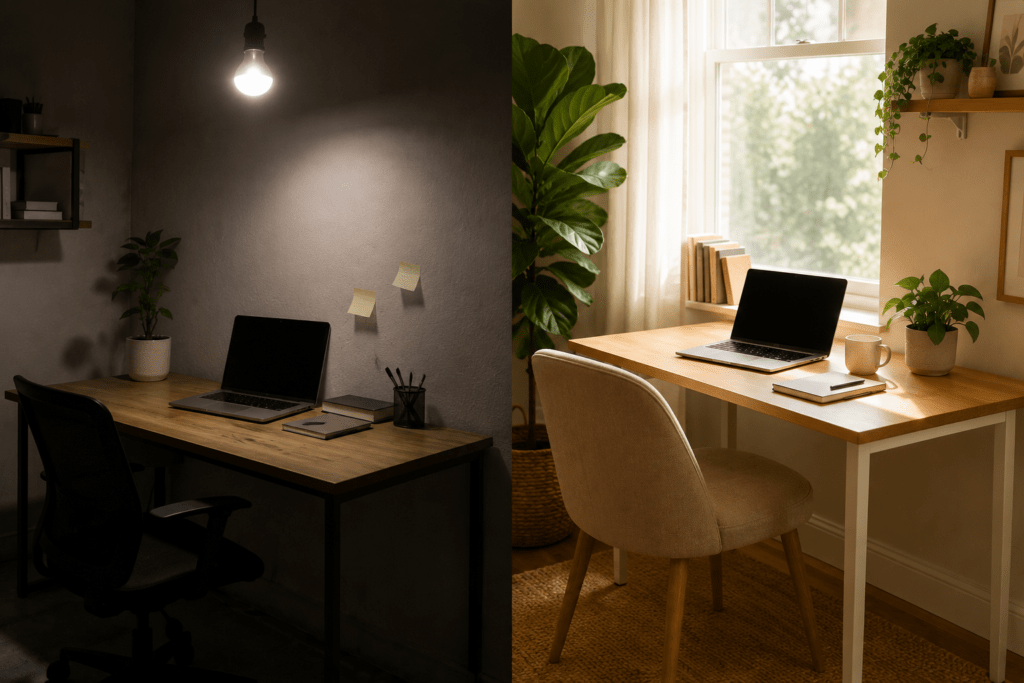
Technical founders already run tight inventory models for hardware or physical products, and interior home decor ideas reward the same discipline. A brand that launches one-off statement pieces, a single sculptural vase, one accent chair, needs a constant stream of new SKUs to stay relevant, because each item sells once per customer and then the shelf goes quiet. A brand that builds interior home decor ideas around a coordinated system, a base color palette, a modular shelving unit, coordinating textiles, sells the same design language across multiple purchases as customers fill out a room over months.
CB2 built much of its growth on capsule collections where a single design aesthetic spans furniture, textiles, and accessories, letting a customer who buys one piece return for three more without the brand needing new tooling or new photography for every SKU. Run the numbers on customer lifetime value for a capsule-based catalog versus a trend-piece catalog, and the capsule model wins because the acquisition cost gets amortized across four or five purchases instead of one, and the repeat purchase happens without a new ad spend cycle to trigger it.
Speed Comes From Palette Discipline, Not Faster Photoshoots
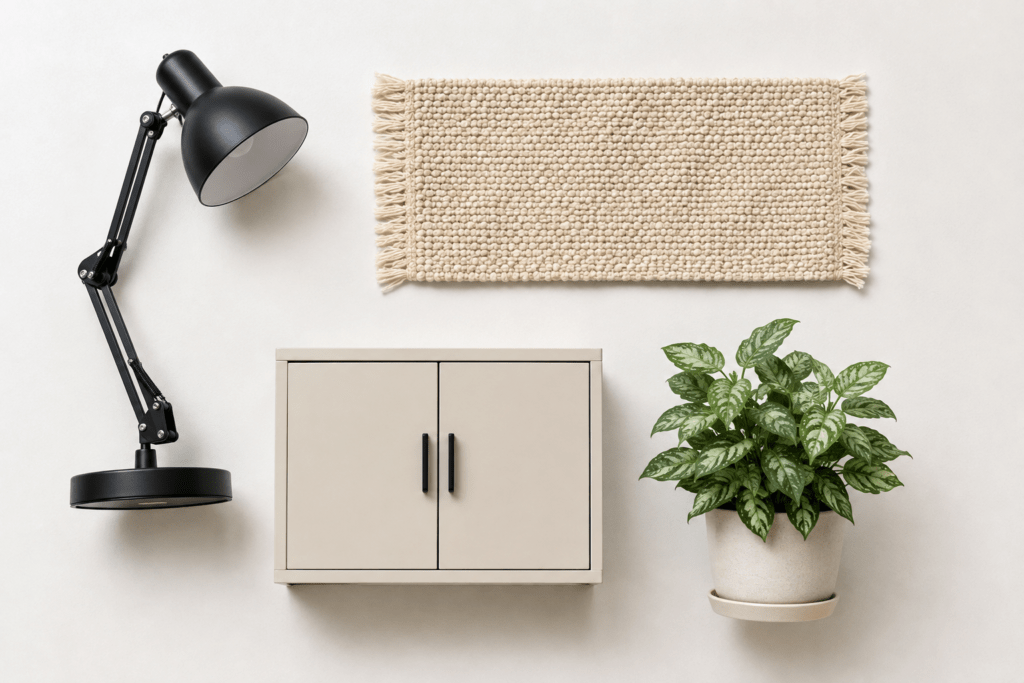
Series A founders default to solving speed with faster content production, more photoshoots, more listings, more drops. For interior home decor ideas, the actual speed lever is palette and material discipline upstream of any shoot. A brand that locks a core palette, three woods, two metals, four textile colors, can generate new interior home decor ideas by recombining existing assets instead of sourcing, photographing, and merchandising something entirely new every cycle.
Article, the direct-to-consumer furniture brand, scaled quickly by constraining its material and finish options across categories, which let the team launch new room configurations without waiting on net-new manufacturing runs. Founders should audit whether a proposed new decor line shares finish, material, or color tooling with the existing catalog before approving it. If it doesn’t, the launch isn’t fast. It’s a full sourcing cycle disguised as a quick seasonal drop.
Real Room Examples Beat Isolated Product Shots

A single product photo of a lamp or a rug tells a customer almost nothing about how it fits a real room, and that ambiguity is where browsing turns into an abandoned cart. What converts is a fully staged room showing the exact combination of pieces a customer can buy together, with each item tagged and priced individually inside the scene.
West Elm’s shoppable room photography, where every item in a styled living room links to its own product page, consistently outperforms standalone product shots on conversion because it removes the guesswork of whether pieces work together. Founders building interior home decor ideas into a content strategy should treat every styled photo as a literal shopping list, not inspiration, and compare conversion rate on tagged room photography against isolated product images. Tagged rooms convert higher because the customer is buying a finished look, not assembling one from scratch.
EEAT Turns Material Sourcing Into a Ranking Advantage

Google’s Experience, Expertise, Authoritativeness, and Trust framework rewards specificity, and home decor is a category where vague sustainability or craftsmanship claims get buried under competitors publishing verifiable sourcing detail. “Sustainably sourced wood” without a certification, or “handcrafted” without naming a maker or region, reads as unverifiable to both search algorithms and skeptical buyers. Founders who publish exact wood species, certification bodies like FSC, and maker or factory location on every product page turn interior home decor ideas into a content asset that ranks and converts at the same time.
Have a materials specialist or sourcing lead review claims before they go live, and credit that reviewer by name the way a technical product credits its lead engineer. Link every durability or sustainability claim to a specific certification or test standard instead of a general assurance. Parachute Home built organic search authority this way, publishing detailed material sourcing data across its catalog that competitors left vague, and that specificity compounded into an SEO asset instead of a one-time compliance footnote.
Founders who skip this step don’t just risk thinner search rankings. They lose the trust signal that turns a single decor purchase into a customer who returns to complete an entire room, and that multi-purchase behavior is the actual revenue engine behind interior home decor ideas that scale past a first round of funding.
Interior home decor ideas prove their value through system design and repeat purchase, not one-off trend chasing. Build the palette and the room system first, and the growth channel builds itself.
written by talashbyrekha.com
Resources
1.Google Workspace – Team Member Onboardinghttps://support.google.com/a/users/answer/9283141?hl=en&utm_source=chatgpt.com
2.Google Workspace – Sharing & Collaborationhttps://support.google.com/a/users/answer/9296687?utm_source=chatgpt.com